Nitrogen plant suppliers play a crucial, yet often unseen, role in a vast array of industries globally. From bolstering food production through fertilizer creation to serving as a critical component in manufacturing processes and healthcare applications, the demand for reliable nitrogen sources is consistently high. Understanding the nuances of these suppliers – their capabilities, technologies, and logistical considerations – is paramount for businesses and organizations seeking to optimize their operations and ensure a stable supply chain. The efficiency and innovation of nitrogen plant suppliers directly impacts countless downstream sectors.
The global landscape for nitrogen production and supply is experiencing significant shifts. Increased environmental regulations, coupled with a growing focus on sustainability, are driving the demand for more efficient and environmentally friendly nitrogen production technologies. Suppliers are responding with advancements in energy recovery systems, emission control technologies, and alternative feedstocks. The economic implications are substantial, influencing the cost of essential products and the competitiveness of nations. Reliable nitrogen plant suppliers are therefore vital for global economic stability.
Choosing the right nitrogen plant supplier isn't merely a transactional decision; it's a strategic partnership. Factors such as plant capacity, purity levels, delivery methods, and long-term maintenance contracts are all critical considerations. A robust and dependable supplier can significantly mitigate risks, optimize costs, and enable businesses to focus on their core competencies.
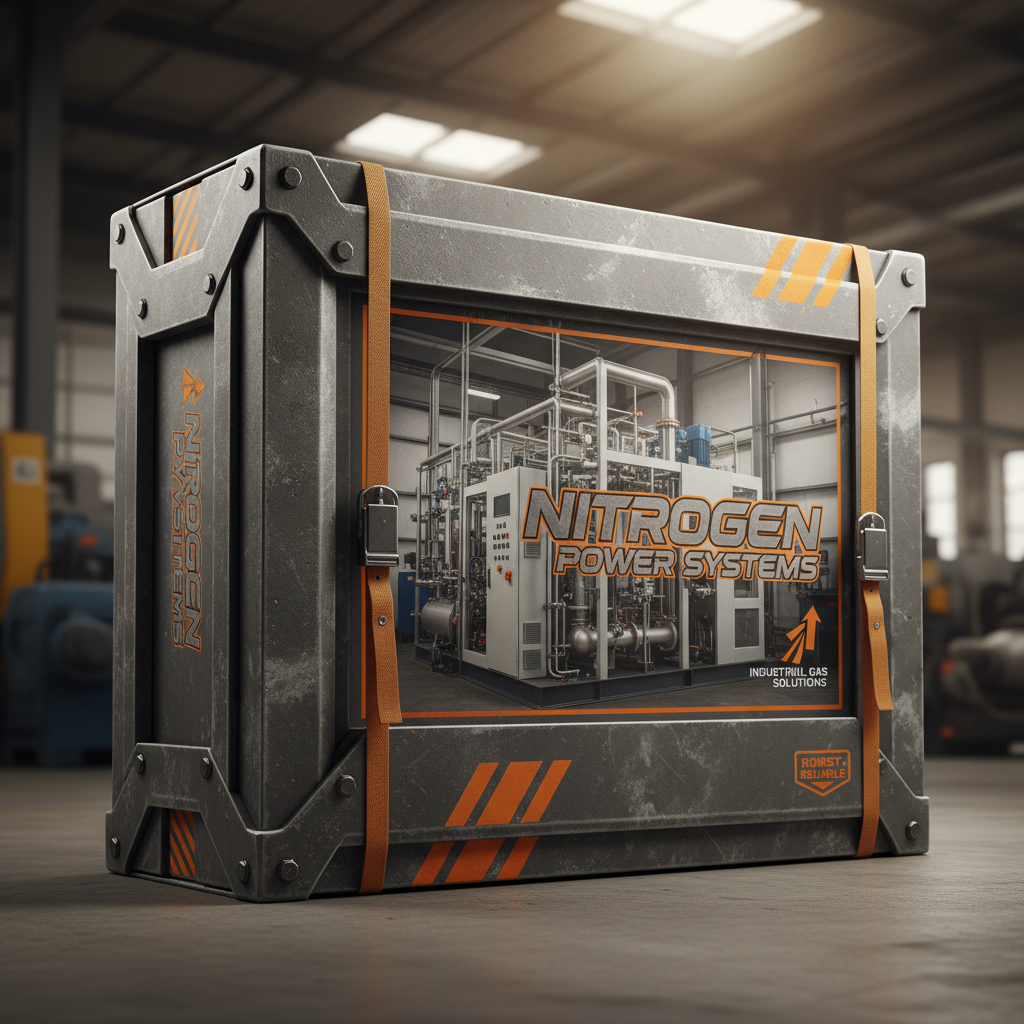
The Global Relevance of Nitrogen Plant Suppliers
Nitrogen is an essential element for life and a cornerstone of many industrial processes. Globally, nitrogen demand is driven largely by the agricultural sector, where it's a key ingredient in fertilizers – crucial for feeding a growing world population. According to the UN’s Food and Agriculture Organization (FAO), nitrogen fertilizer use has increased dramatically over the past half-century, and this trend is projected to continue. This makes reliable nitrogen plant suppliers indispensable for food security.
Beyond agriculture, nitrogen finds applications in chemical manufacturing, electronics, pharmaceuticals, and even food preservation. The World Bank reports that industrial nitrogen use is closely tied to economic growth, particularly in developing nations. The need for consistent nitrogen supply chains is a pressing concern for manufacturers seeking to maintain production schedules and meet market demands. This reliance necessitates a thorough evaluation of available nitrogen plant suppliers and their capabilities.
Defining Nitrogen Plant Suppliers
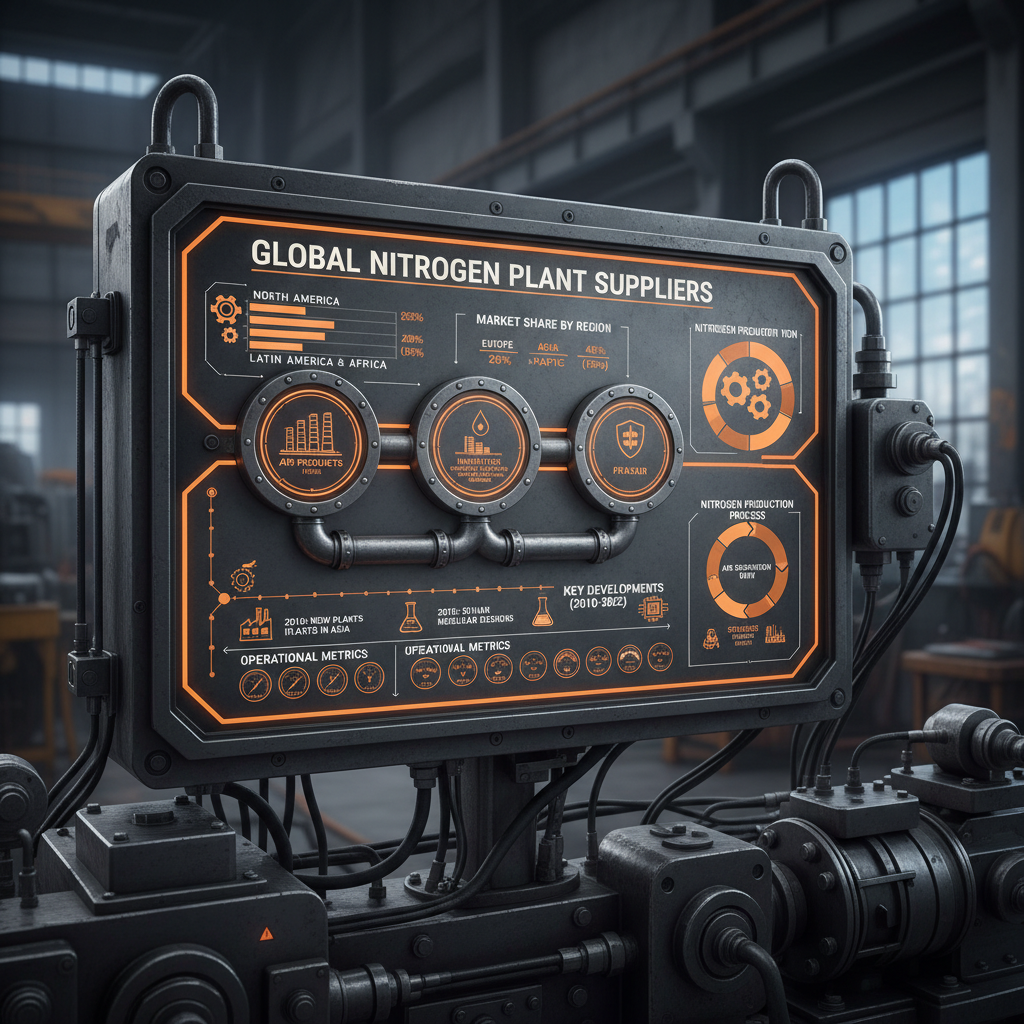
Nitrogen plant suppliers are companies specializing in the production, purification, and distribution of nitrogen gas. These suppliers utilize various technologies, including air separation units (ASUs), cryogenic distillation, and pressure swing adsorption (PSA), to extract nitrogen from the atmosphere. They cater to a diverse clientele, ranging from large-scale industrial consumers to smaller businesses requiring specialized nitrogen applications.
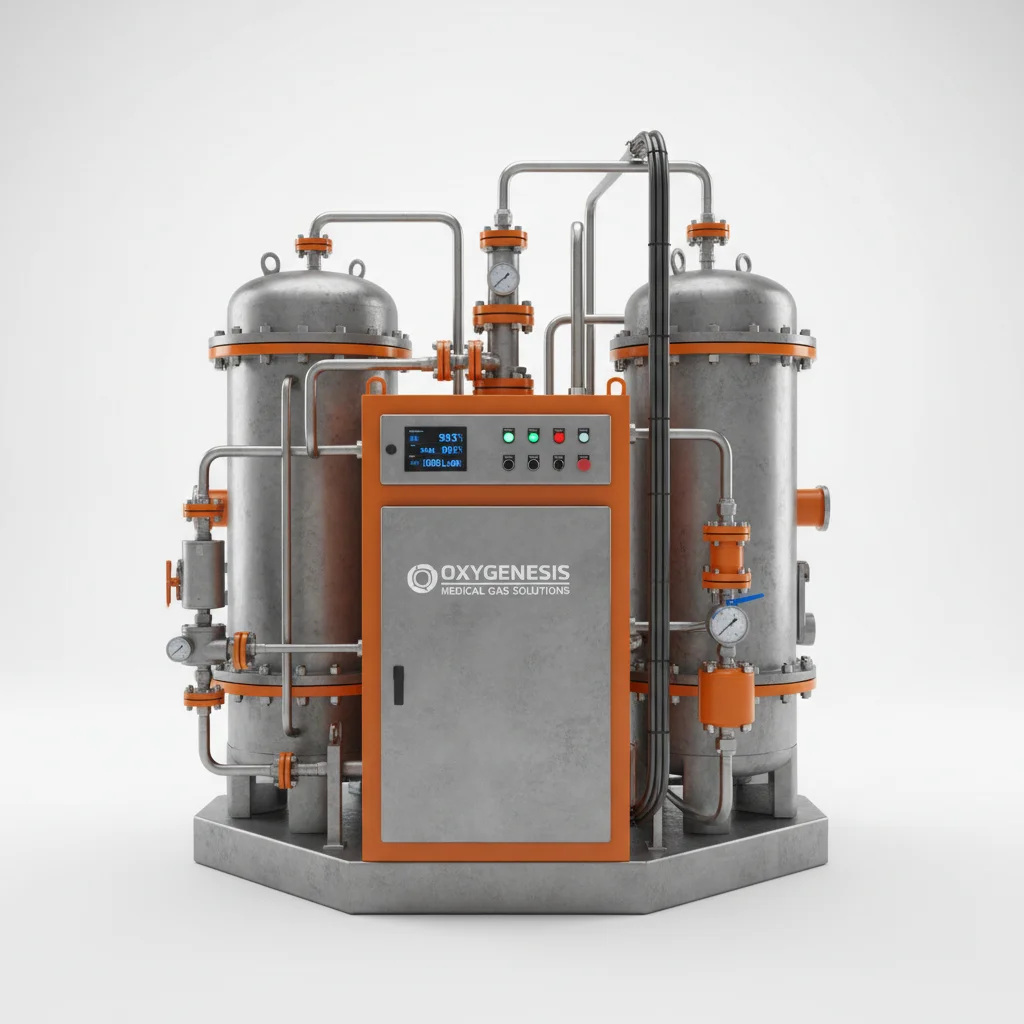
The scale of operations can vary significantly, with some suppliers offering on-site nitrogen generation systems tailored to specific customer needs, while others deliver liquid nitrogen via tanker trucks. Quality control is paramount; suppliers must adhere to stringent industry standards to ensure the purity and consistency of their product, particularly for sensitive applications like medical or semiconductor manufacturing. Finding a dependable nitrogen plant suppliers is central to many operations.
Ultimately, nitrogen plant suppliers bridge the gap between atmospheric resources and the industrial and humanitarian needs of modern society, enabling critical processes that underpin our daily lives.
Key Factors in Selecting a Supplier
When evaluating potential nitrogen plant suppliers, several key factors come into play. First and foremost is reliability of supply. A supplier with a proven track record of consistent delivery and minimal disruptions is crucial. This includes assessing their infrastructure, logistical capabilities, and contingency planning in case of unforeseen events.
Purity levels are another critical consideration, particularly for specialized applications. Different industries require varying degrees of nitrogen purity, and suppliers must be able to consistently meet those specifications. A supplier's analytical capabilities and quality control processes are essential indicators of their ability to deliver high-purity nitrogen. A commitment to quality from nitrogen plant suppliers ensures optimal performance in end-use applications.
Cost-effectiveness is, of course, a major factor, but it should be evaluated in conjunction with reliability and quality. The lowest price isn't always the best value; a supplier with slightly higher pricing but a superior track record may ultimately prove more cost-effective in the long run by minimizing disruptions and ensuring consistent product quality.
Applications Across Industries
The applications of nitrogen are incredibly diverse, spanning numerous industries. In the food and beverage industry, nitrogen is used for modified atmosphere packaging (MAP) to extend shelf life and preserve freshness. In healthcare, liquid nitrogen is vital for cryopreservation of biological samples and for cryosurgery.
The electronics industry relies heavily on nitrogen for purging and inerting processes during semiconductor manufacturing. Nitrogen's inert properties prevent unwanted oxidation and contamination, ensuring the quality and reliability of electronic components. In the oil and gas sector, nitrogen is used for pressure testing pipelines and for enhanced oil recovery techniques. Selecting appropriate nitrogen plant suppliers is crucial for these applications.
Nitrogen Purity Levels Required by Industry
Advantages and Long-Term Value
Partnering with a reliable nitrogen plant supplier offers significant advantages. Beyond ensuring a consistent supply, many suppliers provide technical support and expertise, helping customers optimize their nitrogen usage and reduce waste. This proactive approach can lead to substantial cost savings over time.
Long-term value extends to sustainability initiatives. Modern nitrogen production technologies are increasingly focused on energy efficiency and emission reduction, aligning with corporate social responsibility goals. Choosing a supplier committed to environmental stewardship demonstrates a commitment to a greener future. This commitment is often a deciding factor when selecting nitrogen plant suppliers.
Future Trends and Innovations
The nitrogen industry is witnessing a wave of innovation driven by the need for greater efficiency and sustainability. Developments in membrane technology are leading to more compact and energy-efficient nitrogen generation systems. Research into alternative feedstocks, such as renewable energy-powered electrolysis, promises to further reduce the carbon footprint of nitrogen production.
Digitalization is also playing a key role, with suppliers increasingly leveraging data analytics and remote monitoring to optimize plant performance and predict maintenance needs. These advancements will empower customers to achieve greater control over their nitrogen supply chains and reduce operating costs.
Challenges and Solutions
One of the primary challenges facing the nitrogen industry is the energy intensity of traditional air separation processes. This translates to high operating costs and a significant carbon footprint. Solutions include investing in energy recovery systems, utilizing renewable energy sources, and optimizing plant design for maximum efficiency.
Another challenge is maintaining consistent nitrogen purity, particularly in remote locations or challenging environmental conditions. Suppliers are addressing this through advanced filtration technologies, robust quality control protocols, and on-site monitoring systems. Proactive maintenance and predictive analytics are becoming increasingly important for mitigating potential disruptions.
Supply chain resilience is paramount. Geopolitical events and natural disasters can disrupt nitrogen supplies, highlighting the importance of diversifying sourcing options and building strategic reserves.
Summary of Nitrogen Plant Supplier Evaluation Criteria
| Supplier Reliability |
Nitrogen Purity & Quality |
Cost Competitiveness |
Sustainability & Environmental Impact |
| Proven track record of consistent delivery |
Ability to meet specific purity requirements (e.g., 99.999%) |
Competitive pricing with transparent cost structures |
Commitment to reducing carbon emissions |
| Redundancy in production capacity |
Rigorous quality control processes and certifications |
Long-term contract options with price stability |
Investment in energy-efficient technologies |
| Effective contingency planning for disruptions |
Detailed analytical reports and product specifications |
Flexible payment terms and financing options |
Responsible waste management practices |
| Robust logistics network for timely delivery |
Adherence to industry standards (e.g., ISO 9001) |
Value-added services (e.g., technical support) |
Use of renewable energy sources |
| Responsive customer support and communication |
Traceability of nitrogen sources |
Opportunities for long-term partnerships |
Active participation in sustainability initiatives |
| Financial stability and long-term viability |
Customizable nitrogen solutions |
Competitive transportation costs |
Investment in research and development of cleaner technologies |
FAQS
Selecting the right nitrogen plant supplier involves evaluating several key factors. Reliability of supply, nitrogen purity levels, cost-effectiveness, and the supplier's commitment to sustainability are all crucial. Consider your specific application requirements and choose a supplier with a proven track record of delivering consistent quality and service. Assessing their logistical capabilities and technical support is also highly recommended, ensuring they can meet your needs both now and in the future.
Various technologies, such as air separation units (ASUs), cryogenic distillation, and pressure swing adsorption (PSA), have distinct cost and efficiency profiles. ASUs are typically used for large-scale production and offer high efficiency but require significant capital investment. Cryogenic distillation is also energy intensive. PSA systems are more suitable for smaller-scale applications and can be more energy-efficient for certain needs. Careful evaluation of your volume requirements and operational costs is essential for selecting the optimal technology.
Reputable nitrogen plant suppliers implement rigorous quality control measures throughout the production process. This includes continuous monitoring of nitrogen purity levels using advanced analytical equipment, adherence to industry standards like ISO 9001, and regular calibration of instruments. Detailed analytical reports and product specifications are typically provided to customers to verify compliance with their requirements. Traceability of nitrogen sources is also a key aspect of quality control.
Ensuring a consistent nitrogen supply involves partnering with a supplier that has a robust infrastructure, redundancy in production capacity, and a well-established logistics network. Long-term contracts with guaranteed supply volumes can provide added security. Effective contingency planning, including backup systems and alternative sourcing options, is also crucial for mitigating potential disruptions. Proactive communication with your supplier is key to addressing any potential issues before they impact your operations.
Many nitrogen plant suppliers are actively pursuing sustainability initiatives to reduce their environmental footprint. This includes investing in energy-efficient technologies, utilizing renewable energy sources, implementing responsible waste management practices, and exploring alternative feedstocks. Suppliers are also focusing on reducing emissions and optimizing plant designs to minimize energy consumption. Choosing a supplier committed to sustainability aligns with corporate social responsibility goals.
The lead time for establishing a nitrogen supply agreement can vary depending on the complexity of your requirements and the supplier's existing capacity. Simple supply agreements for standard nitrogen grades may be established relatively quickly, often within a few weeks. However, agreements involving on-site nitrogen generation systems or customized purity levels can require several months of planning, engineering, and installation. Early communication with potential suppliers is crucial for establishing a realistic timeline.
Conclusion
In conclusion, selecting the right nitrogen plant supplier is a strategic decision that significantly impacts operational efficiency, cost-effectiveness, and sustainability. A reliable supplier delivers more than just a product; they provide expertise, support, and a commitment to meeting evolving industry demands. Careful consideration of factors like supply reliability, purity levels, and environmental impact is essential for long-term success.
Looking ahead, the nitrogen industry will continue to innovate, driven by the need for greater efficiency and sustainability. Embracing these advancements and partnering with forward-thinking nitrogen plant suppliers will be crucial for organizations seeking to remain competitive and responsible in a rapidly changing world. Visit our website at www.gyfsilicone.com to learn more about our nitrogen solutions.